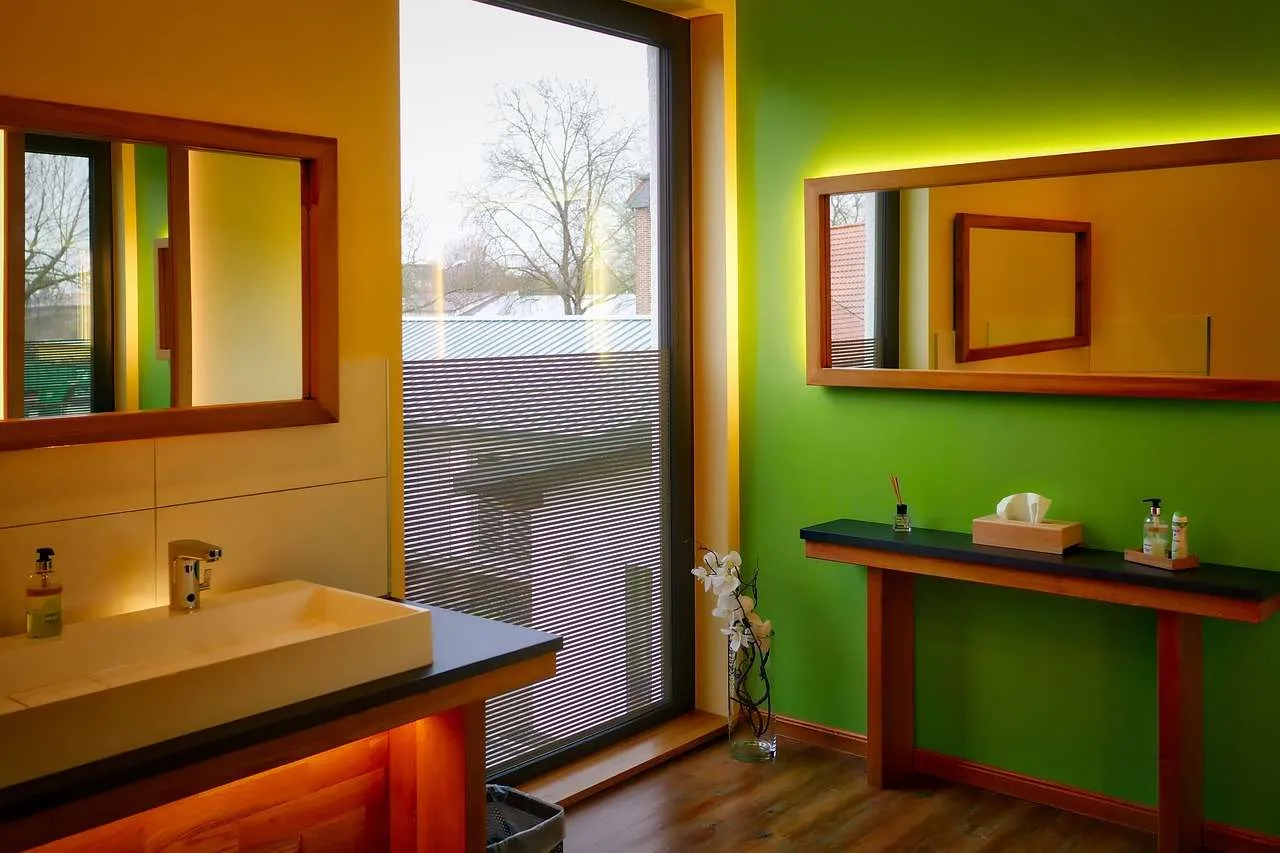
Designing a bathroom that feels calm, functional, and inviting starts with thoughtful bathroom decor decisions. This guide draws on interior design best practices, durable materials, and practical maintenance tips to help homeowners align style with everyday use. As you read, you’ll see how cohesive finishes, layered lighting, and smart storage transform a small or large bathroom into a timeless retreat.
To build trust and deliver real value, the guidance here emphasizes durability, clear budgets, and realistic timelines. If you are unsure about major changes, consult licensed professionals for plumbing, electrical, or ventilation work, and choose products with solid warranties and reputable brands. These choices reinforce expertise and reliability, two core aspects of EEAT in home improvement content.
Foundations of bathroom decor
The foundations are color, texture, and cohesion. Start by selecting a base palette that matches your home’s style and daily routines. Moisture is constant in bathrooms, so prioritize water-resistant finishes, slip-resistant floors, and easy-to-clean surfaces. A cohesive base makes accents easier to swap over time without a full remodel.
Color and cohesion
Choose a base color family such as warm neutrals or cool greys, then introduce one or two accessories in bolder tones. This approach creates a sense of calm while allowing personality to show through towels, art, and vanity items. Keep surfaces light to maximize brightness and space, especially in smaller bathrooms.
Color palettes and materials
Materials define the tactile feel of bathroom decor. Durable options like porcelain tile, ceramic, and solid-surface countertops balance aesthetics with cleaning ease and moisture resistance. Materials should feel consistent with the rest of the home, yet offer enough texture to prevent a flat look.
Neutral and timeless palettes
Neutral palettes—creams, taupes, and soft greys—offer longevity. Pair them with warm wood tones or matte black hardware to create contrast without shouting. If you want a pop, reserve it for a single statement piece such as a vanity or a tile border.
Texture and material choices
Texture adds depth beyond color. Consider a mix of matte fixtures, glossy tiles, and natural textiles like cotton or linen towels. A stone or wood vanity adds warmth, while glass keeps the space feeling open. Just ensure all materials withstand humidity and routine cleaning.
Lighting, mirrors, and ambience
Layered lighting is essential for both function and mood. Combine overhead, task, and ambient lighting to eliminate shadows at the vanity and create a welcoming atmosphere for morning routines or evening spa moments.
Layered lighting
Xenon or LED fixtures around the mirror provide clear, flattering light. Dimmer switches let you transition from bright task lighting to softer mood lighting. Consider backlit mirrors for a sleek, modern touch that also saves space.
Mirror styles and reflection
Choose mirror shapes and frames that echo your vanity and hardware. A larger, well-centered mirror expands a small bathroom, while decorative framed mirrors add personality in larger layouts.
Storage solutions and organization
Smart storage keeps bathroom decor tidy and user-friendly. Integrate recessed niches, vanity drawers, and wall-mounted cabinets to minimize clutter while preserving accessible essentials.
Smart storage
Use vertical storage to free counter space: tall linen cabinets, open shelving with baskets, and magnet strips for metal grooming tools. Inside vanity organizers, dividers, and pull-out trays enhance usability and cleanliness.
Finishes and fixtures
Fixtures are the visible punctuation of a bathroom decor. Matte black, brushed brass, or chrome finishes set the tone and coordinate with hardware, faucets, and shower fixtures.
Fixtures, faucets, and hardware
Consistency matters. Match faucet finishes with towel bars, cabinet pulls, and shower hardware. Durable, corrosion-resistant finishes extend life in humid environments while giving a cohesive, premium feel.
Budgeting and planning
Plan with a realistic budget and a phased approach if needed. Prioritize high-impact changes such as lighting, vanity, and tile in the primary bathroom, then consider lower-cost updates like textiles and accessories to refresh the look progressively.
Do-It-Yourself vs pro help
Some updates are well within DIY reach, especially cosmetic changes like paint, hardware, and accessories. Major plumbing, electrical, and waterproofing should be handled by licensed professionals to ensure safety and compliance. A well-structured plan reduces surprises and strengthens trust with clients or homeowners.
Comparison table: tile and surface options
| Option | Pros | Cons | Best For |
|---|---|---|---|
| Ceramic Tile | Affordable, water resistant | Can be slippery when polished | Walls and floors in many bathrooms |
| Porcelain Tile | Durable, low maintenance | Heavier, harder to cut | High-traffic bathrooms and showers |
| Natural Stone | Timeless texture and color | Requires sealing; pricier | Showers and feature walls |
| Vinyl Plank | Waterproof, easy install | Lower resale appeal to some buyers | Budget renovations and rentals |
Maintenance tips: clean with pH-balanced cleaners, wipe down surfaces after showers, and re-seal stone or grout as recommended by manufacturers to preserve both aesthetics and durability.
Conclusion, by combining timeless elements—color harmony, layered lighting, durable finishes, and smart storage—you create a bathroom decor that lasts. Start with a plan, test samples, and invest in a few signature pieces to unify the room while preserving practicality and value.