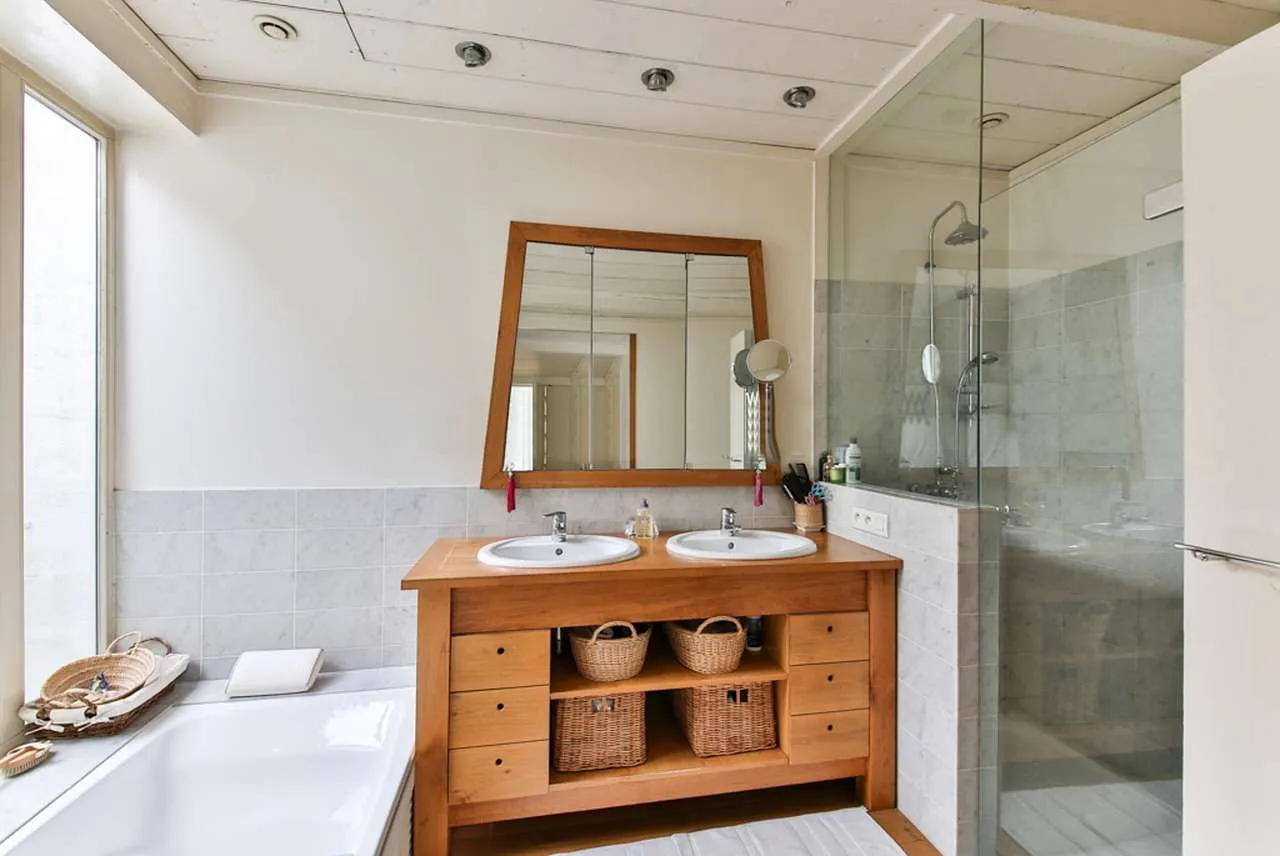
What is Home Window Tinting?
Home window tinting uses protective films applied to glass to reduce heat, block UV rays, and increase privacy while preserving visibility. Modern films are designed for homes and can be installed on most glass surfaces, including insulated windows and patio doors.
Benefits of Home Window Tinting
- UV protection: Blocks up to 99% of ultraviolet radiation, reducing skin damage and fading of furnishings.
- Heat reduction and energy savings: Reduces infrared heat, helping your cooling system work more efficiently and lowering utility bills in hot climates.
- Glare control and comfort: Improves screen readability and reduces eye strain in home offices, living rooms, and common areas.
- Privacy and safety: Adds daytime privacy and helps hold shattered glass together in case of impact, enhancing security.
- Value and aesthetics: A clean, uniform look that can enhance curb appeal without altering exterior architecture.
Types of Window Films
Windows can be treated with several film technologies, each with distinct performance profiles.
- Dyed films: Affordable and effective for privacy, but can fade and offer moderate heat rejection.
- Metalized films: Strong heat rejection and durability, but may interfere with electronics and sometimes create a mirrored look at certain angles.
- Ceramic films: High heat rejection, excellent UV protection, non-conductive, and clear optics.
- Nano-ceramic films: Advanced ceramic technology offering top-tier performance with high clarity and long-term durability.
Choosing and Installing Window Tint
Consider local regulations on tint darkness, especially for front doors and windshield areas. The most important selection criteria are UV rejection, total solar energy rejection, and visible light transmission VLT. A reputable installer will explain options, provide a written warranty, and perform glass preparation and professional installation to ensure a bubble-free finish. If you are unsure about the rules in your area, ask your installer to confirm compliance with local regulations before any film is applied.
Installation Options and Cost
Professional installation ensures warranty coverage, precise cutting, and long-term performance. DIY kits are available but require careful preparation, tools, and safety. Typical costs range from a modest per-square-foot rate for basic dyed films to higher prices for ceramic or nano-ceramic films and professional labor. Budget for both film material and labor when planning a project, and remember that higher-performance films can reduce energy use and glare more effectively over time.
Film Type Comparison
| Film Type | Heat Rejection | UV Protection | Visible Light Transmission | Glare Reduction | Conductivity | Durability | Typical Cost |
|---|---|---|---|---|---|---|---|
| Dyed | Moderate | Good | High | Moderate | No | Moderate | Low to Moderate |
| Metalized | High | High | Moderate | High | Yes (may interfere with electronics) | High | Moderate |
| Ceramic | Excellent | Excellent | Moderate to High | Low | No | Very High | High |
| Nano-Ceramic | Excellent | Excellent | High | Low | No | Very High | High |
How to Choose a Reputable Installer
Look for installers with experience, insurance, and warranties. Prefer technicians who hold credentials from recognized associations such as the International Window Film Association IWFA. Request written quotes, check references, and ensure the project includes glass preparation and proper sealing to prevent moisture intrusion.
Maintenance is simple: clean with a soft cloth and mild detergent, avoid abrasive tools, and inspect for edges lifting or peeling every few years. Professional films often come with multi-year warranties that cover bubbling or fading under normal conditions.
Conclusion
Home window tinting is a practical upgrade for privacy, comfort, and energy efficiency. By understanding film types, selecting a qualified installer, and complying with local regulations, homeowners can enjoy durable, aesthetically pleasing results that protect furnishings and reduce energy use over time.
Summary: Home window tinting offers privacy, UV protection, heat reduction, and value when installed by trained professionals.