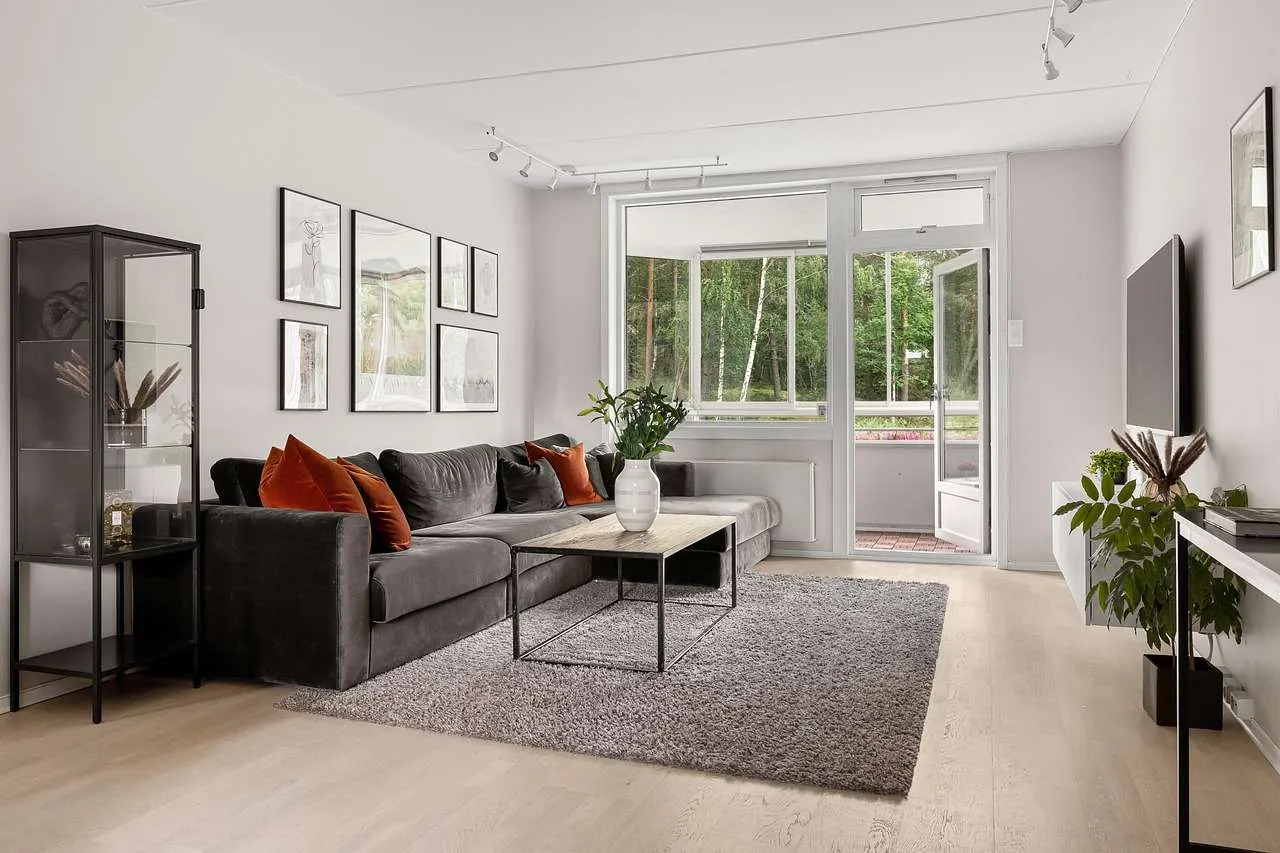
If you are searching for home window tinting near me, you are looking for skilled local professionals who can assess your home and offer compliant, energy‑saving solutions. This guide helps you understand what to look for, the benefits, common film types, and how to choose a trusted installer in your area.
Why choose a local home window tinting near me provider
Local providers understand climate, local codes, and typical home designs. They can offer in‑home consultations, precise measurements, and timely service. When evaluating options, verify licensing, insurance, and manufacturer certifications. A nearby installer also adds accountability, faster warranty service, and clearer communication throughout the project.
Key benefits of residential window tinting
- Energy efficiency: reduces heat gain in summer and heat loss in winter, lowering utility bills.
- UV protection: blocks a large portion of ultraviolet rays to protect interiors and fabrics.
- Glare reduction: improves comfort for rooms with strong sun exposure.
- Privacy and aesthetics: traditional or tinted windows while maintaining exterior curb appeal.
- Security and durability: some films add a layer of shatter resistance and extended life for glass.
Understanding tint options for homes
Residential films come in several varieties, each with distinct advantages. The common options include dyed, metalized, ceramic, and hybrid blends. Your choice depends on goals like peak heat rejection, light transmission, and potential interactions with electronic devices.
Common residential tint options
| Film Type | UV Rejection | Heat Rejection | Appearance | Signal Interference | Estimated Installed Cost |
|---|---|---|---|---|---|
| Dyed | Low-to-mid | Moderate | Excellent color; potential fading over time | No significant interference | 3-7 per sq ft |
| Metalized | High | High | Shiny look; can reduce visibility from outside | Possible signal interference | 4-12 per sq ft |
| Ceramic | High | Very High | Neutral tint; durable and stable over time | Minimal interference | 6-15 per sq ft |
| Hybrid | High | Moderate | Balanced look | Low interference | 5-13 per sq ft |
How to pick a local installer
To ensure expertise, look for licensed and insured professionals who offer manufacturer training and certifications such as IWFA (International Window Film Association) credentials, and access to a range of film options. Ask for a written estimate, a showroom or portfolio, and references. Ensure the installer provides a clear warranty, a detailed scope of work, and in‑home measurements before any film is cut. Local installers should also be able to explain how the chosen tint affects energy performance, UV protection, and privacy in your climate.
What to expect during installation and maintenance
A typical installation includes careful cleaning of window surfaces, precise film cutting, and careful application with curing time. The process may take a few hours per project window, depending on size and complexity. After installation, avoid ammonia or abrasive cleaners for the first two weeks to protect the film’s adhesive. Maintenance is simple: clean with a soft cloth and a non‑ammonia cleaner to preserve clarity and film longevity. If you notice hazing, peeling, or bubbling, contact the installer promptly under warranty terms.
Cost considerations and maintenance
Costs vary by window size, number of panes, film type, and labor. Typical installed ranges are roughly: dyed films 3-7 per sq ft, metalized 4-12 per sq ft, ceramic 8-15 per sq ft. Bundled packages or multi‑window discounts are common. Always compare total installed costs rather than per‑pane estimates, and confirm warranty length, coverage for fading or delamination, and whether removal or replacement is included.
Frequently asked questions
- Is home window tinting legal in my area and does it comply with building codes?
- Will tinting affect my home's insulation or security?
- How long does installation take and what disruption should I expect?
- What warranty should I expect and what does it cover?
To ensure EEAT, this guide emphasizes working with licensed professionals, referencing manufacturer data, and evaluating installers based on a proven portfolio, warranty terms, and transparent pricing.
Conclusion
Summary: When searching for home window tinting near me, prioritize licensed, insured local experts with solid portfolios and clear warranties. Understand the film options, compare energy benefits, consider privacy and appearance goals, and request a written, itemized plan. A trusted local installer can deliver real energy savings, UV protection, and improved comfort for your home.